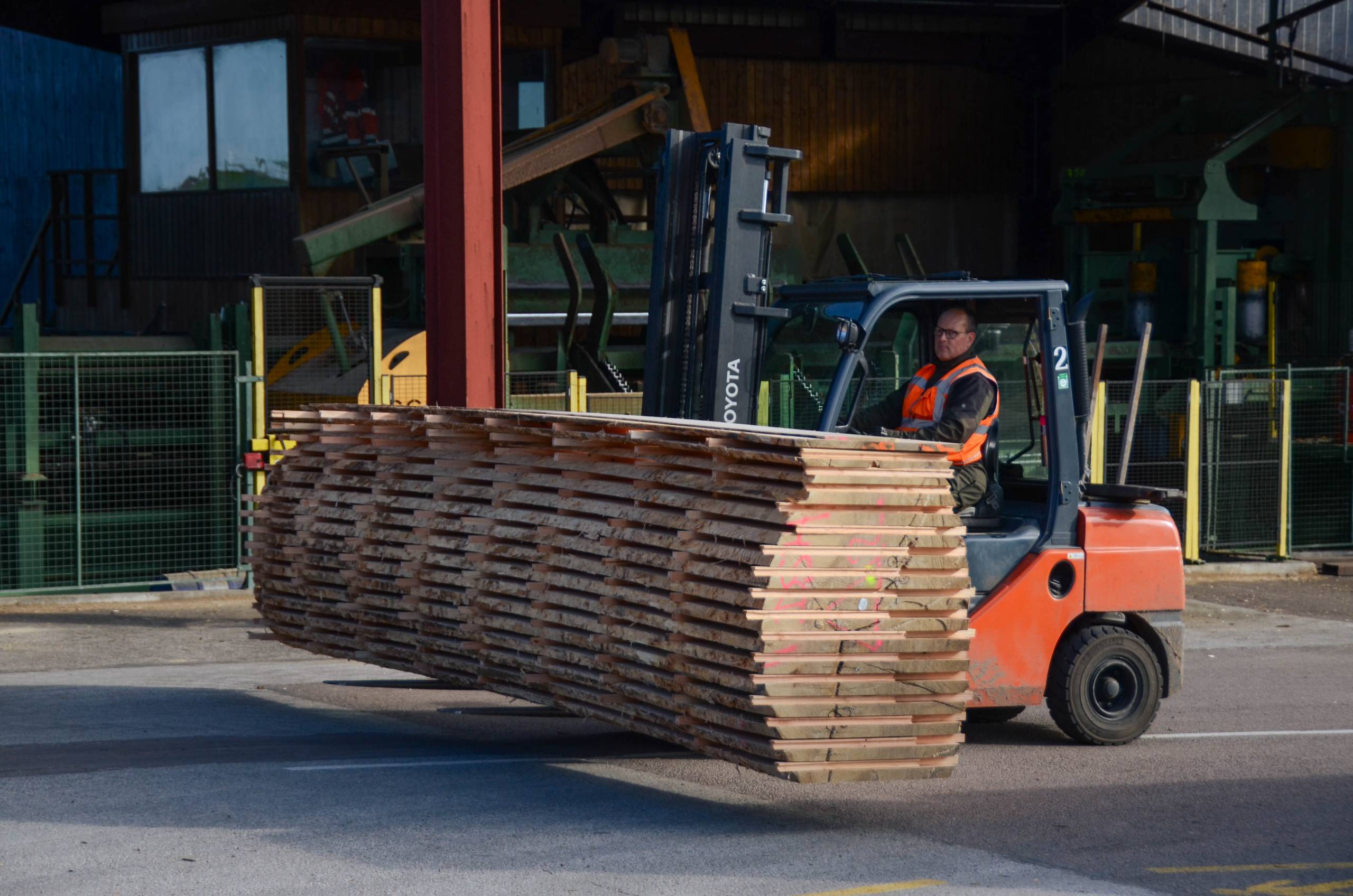
The sawmill

Our Sawmill
at the heart of the woods
In 1954, Maurice Barbier founded the Barbier Sawmill in Villaines-en-Duesmois, nestled in the heart of one of the most prestigious forests in Burgundy, France.
Our family sawmill has become a successful business distinguished by two production units established on over 11 hectares
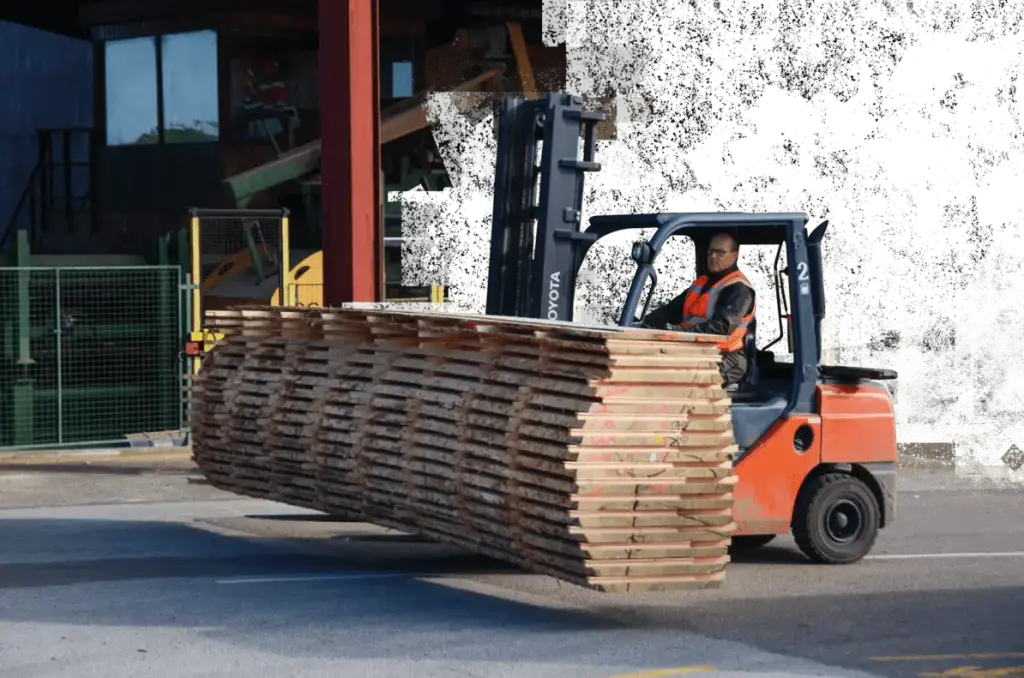
Our history
Over half a century of expertise
The Barbier Sawmill is more than just a company; it is a precious family legacy. Over the generations, it has been enriched by the commitment of its children, Marc and Jacques, and today by one of its grandsons, Hugo. Continuing to grow and prosper, this company remains true to its family values.
1954
Creation of the Barbier Sawmill
1970
Setting up of the pallet manufacturing workshop, an activity that continues today with the capacities adjusted to current needs.
1980
Expansion of the initial 2 hectare site to over 11 hectares.
Late
1980
Construction of the first building dedicated to the storage of sawn timber for better conservation.
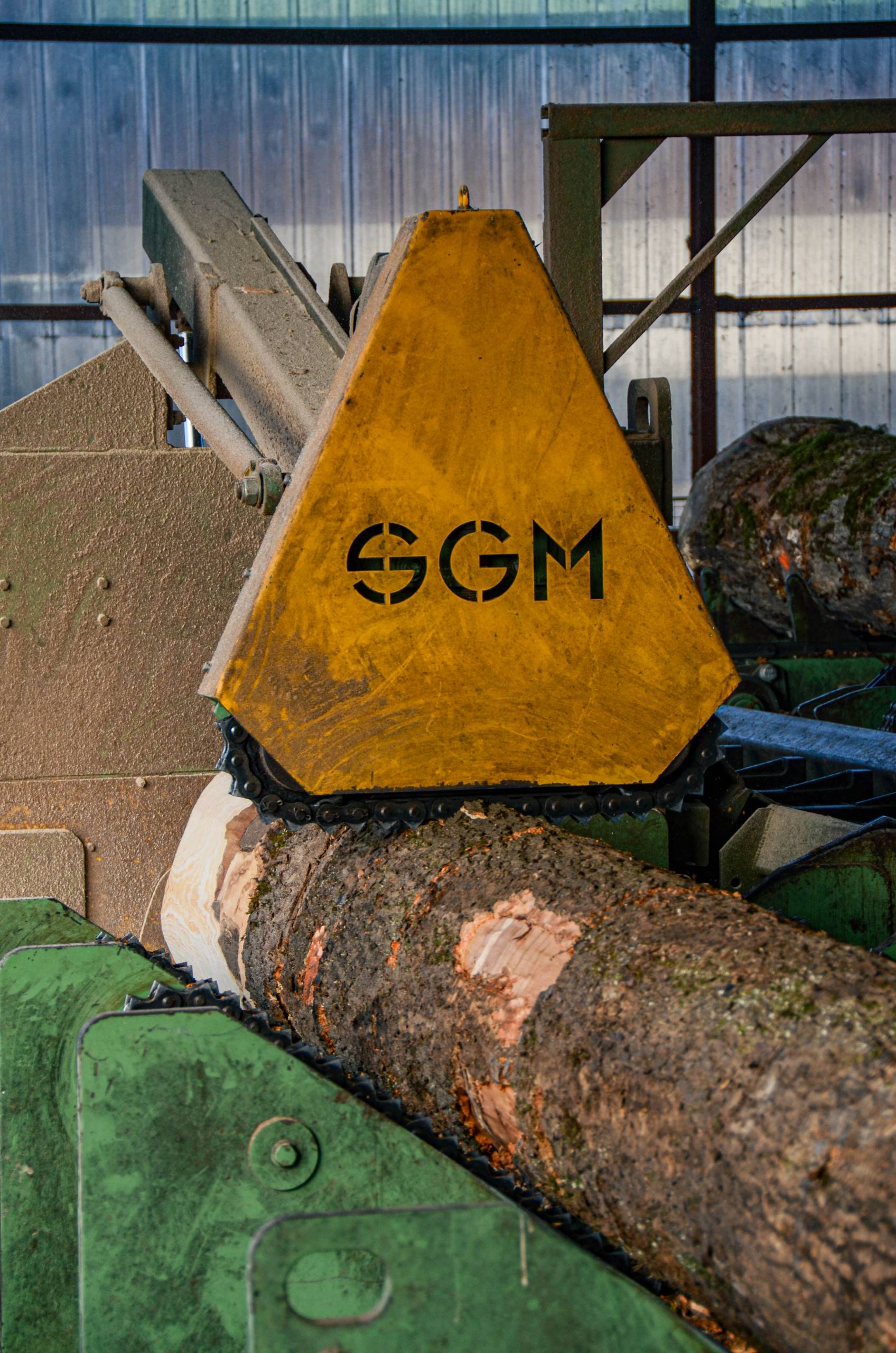
Installation of a log band saw, an edger and a waste shredder.
1998
Installation of the first dryer powered by an oil boiler.
1999
Following the Lothar storm, the sawmill is adapted by switching its production from 80% beech to oak.
2004
Installation of a biomass boiler to power the dryers.
2008
Creation of a 2,000m² storage building for dry wood. Installation of 3 additional drying cells.
2013
Construction of a new 4,000m² building with a 250 kW photovoltaic system for receiving and storing dry wood.
2017
Installation of a stump reducer upon replacement of the bark remover.
2021
Installation of two sorting and stacking robots to improve working conditions.
2022
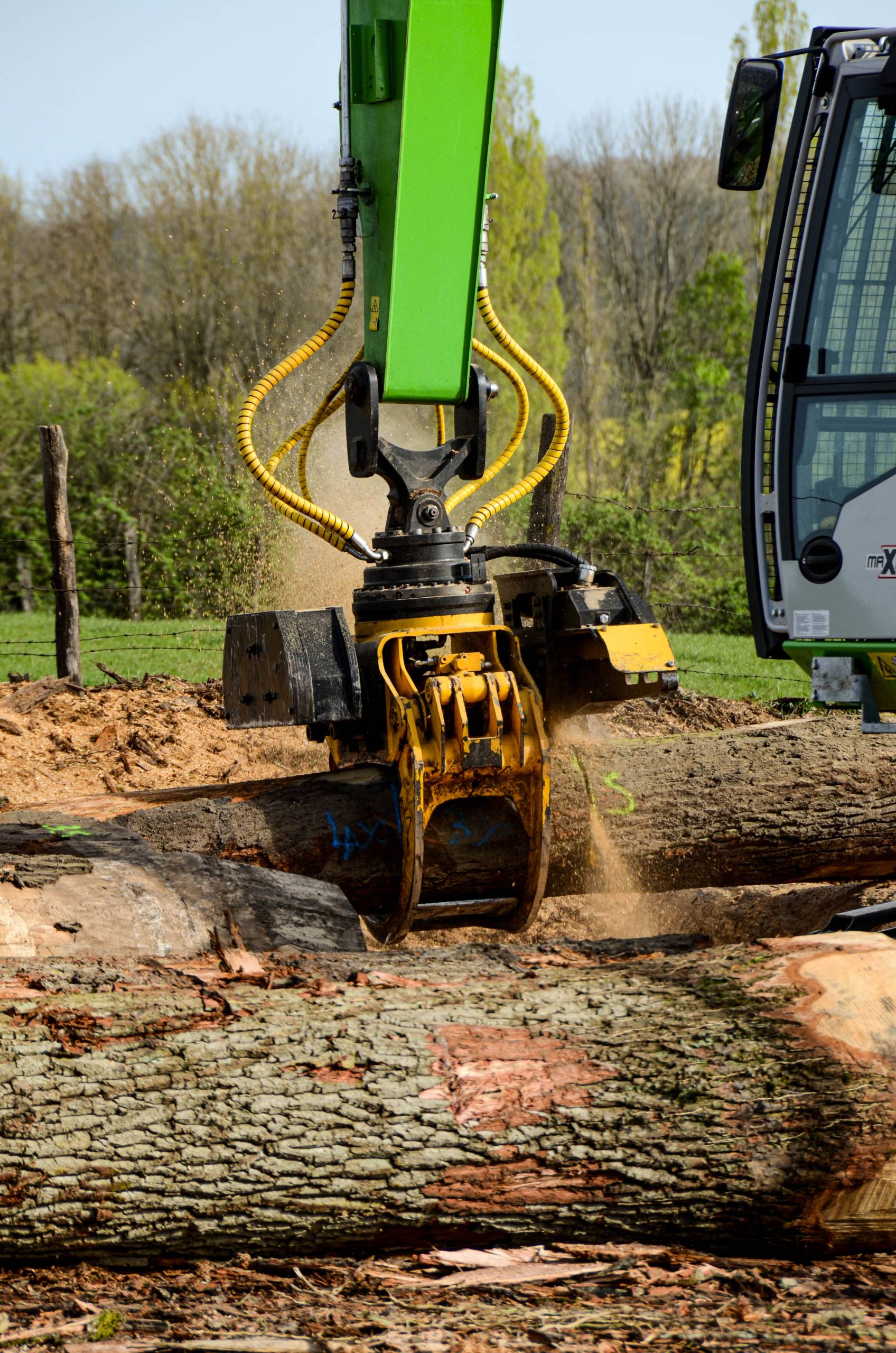
Investment in a handling and cutting excavator in the log yard.
Together, we create innovative perspectives dedicated to the wood industry. At the forefront of new technical and environmental regulations, the BARBIER sawmill continues to be a major player in the promotion of wood as an essential material for construction and the comfort of the living environment.
The Barbier sawmill is...
30
17 000 M³
12 000 m²
6,000 m²
of closed warehouses for storing dry wood
4 000 M³
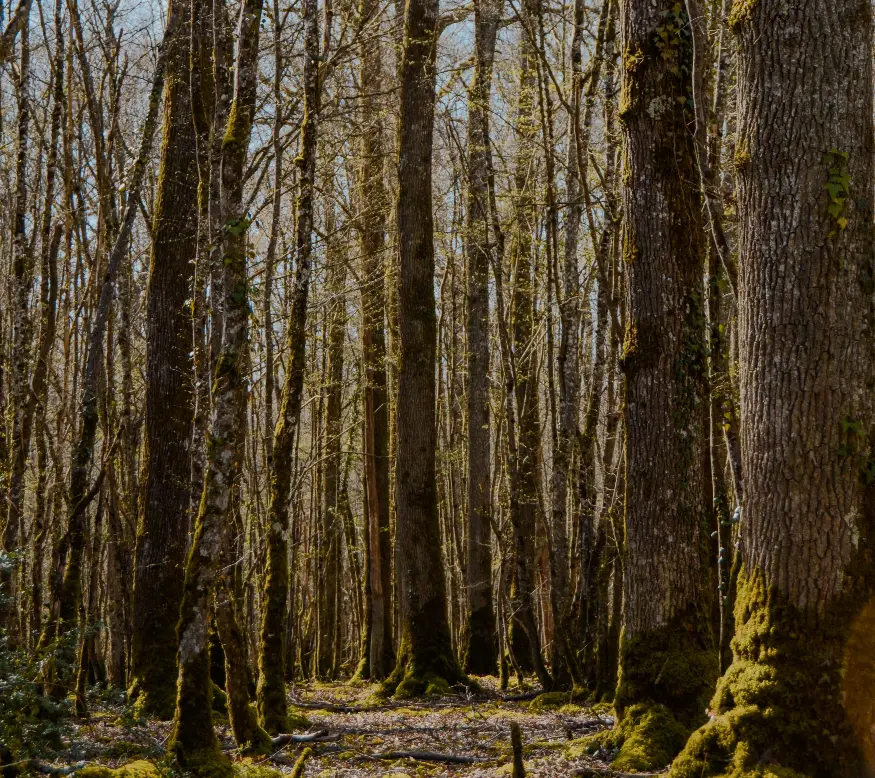
Environmental preservation, respect for nature
Continuous Quality Control.
To ensure maximum homogeneity of our products’ characteristics, our qualified teams carry out rigorous checks at each stage of wood processing: From cutting the log to sawing, drying and storage, the sawmill’s processes ensure that consistent quality is maintained across our entire range.
Resource management.
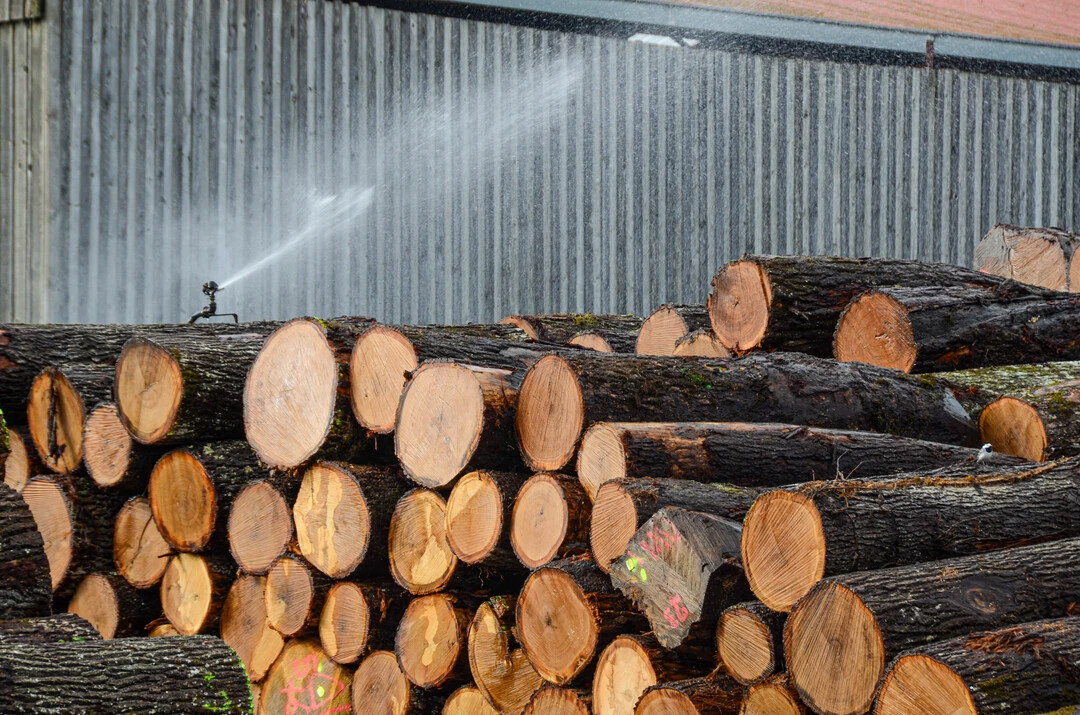
The by-products from wood processing (bark, sawdust, chips) are directly recycled at the sawmill in a biomass boiler that allows us to produce the hot water needed for artificial drying. We collect rainwater and water from our irrigation site to further reduce the environmental impact of our production.
As a committed company, all our wood products are certified by PEFC (Programme for the Endorsement of Forest Certification) certified wood products. This certification attests to our wood coming from forests where the renewal of natural resources is prioritised, thus contributing to the preservation of forest ecosystems. Our wood meets CE (European Conformity) performance standards, guaranteeing its compliance with European regulatory requirements on health, safety and environmental protection.
Our Carbon Footprint
> We limit our supply area to reduce our carbon footprint.
> We produce electricity using photovoltaic panels, generating 265,000 kWh/year.
> We participate in reforestation programs.
> We use electric forklifts, reducing our dependence on fossil fuels.
> We collect rainwater and water from our irrigation system.